How to Plan a Wedding in 3 Months: A Practical Timeline
Planning a wedding in 3 months can feel intense, but it becomes manageable when every decision has an owner and a deadline. The priority is to lock the venue, core wedding services, guest communication and outfits before spending time on details.
What to decide in the first week
Start with the guest count, total budget, wedding format and preferred dates. These four decisions affect almost everything else, from venue capacity and room blocks to catering, transport and décor. Create one shared planning sheet with payment dates, contact details, guest information and pending decisions.
Book a planner or designate one family member as the point person. A single decision-maker helps prevent duplicated calls and keeps the couple free to focus on choices that genuinely need their input.
Weeks 1–2: Lock the venue and essential services
Shortlist venues that can host the ceremonies, meals and guest stay within one property or a simple transport radius. Ask for a written quote that covers taxes, rooms, food, décor permissions, music timings, rain plans and cancellation terms.
Next, secure the high-demand services: photography, film, makeup, catering if separate, music, décor and transport. Share the full event calendar so each team can confirm availability for every function rather than only the wedding day.
Weeks 2–4: Confirm the look and guest experience
Choose outfits and jewellery with alterations time built in. A smaller, coordinated wardrobe is easier to finish than several complicated looks. At the same time, confirm the colour palette, ceremony layouts, signage and one memorable décor feature for each main event.
Send digital invitations as soon as the date and venue are fixed. Include a clear RSVP deadline, map, accommodation information, dress cues and a contact number for travel questions.
Weeks 5–8: Finalise details without expanding the brief
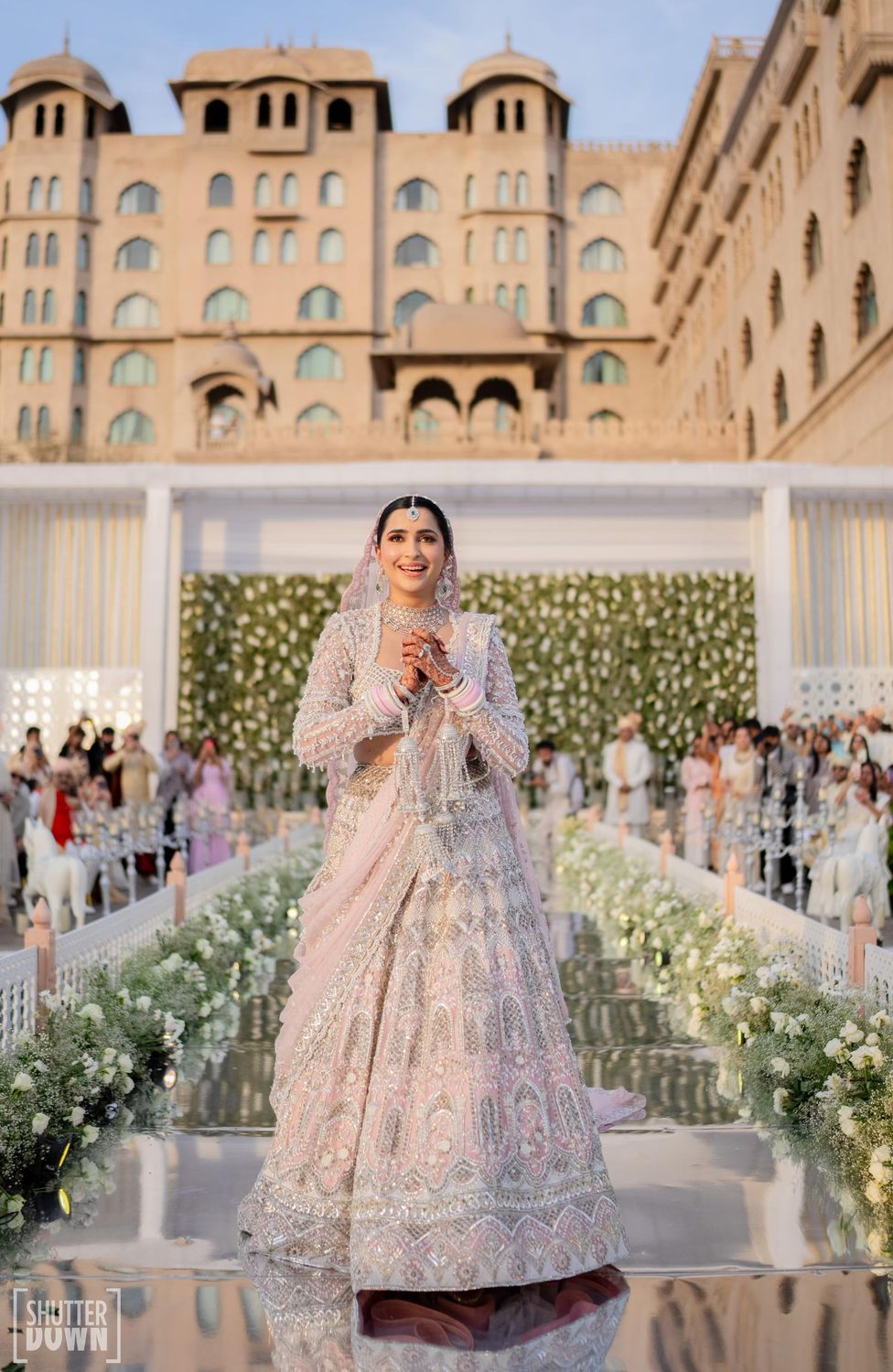
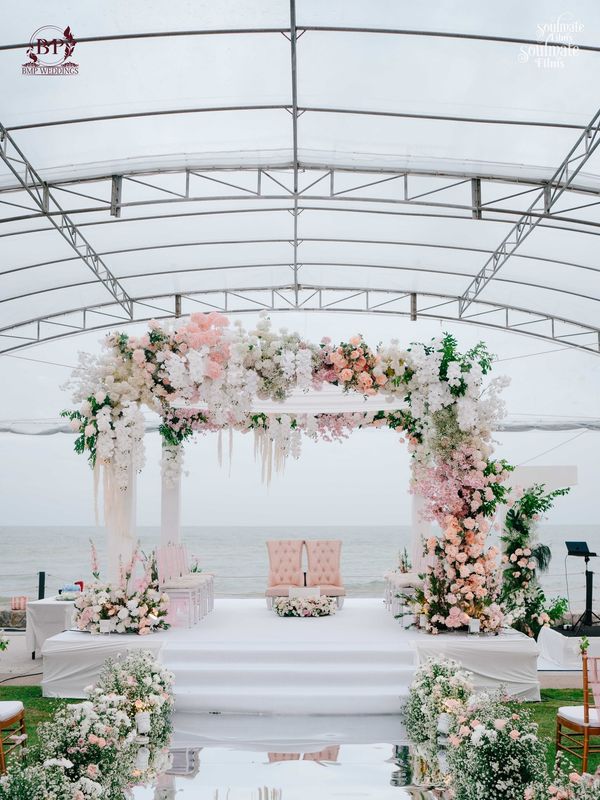
Use this window for menu tastings, choreography, ceremony scripts, family responsibilities, room allocations and transport routes. Keep the décor brief focused: a strong entry, a well-designed stage or mandap, and comfortable guest seating can make a bigger difference than many small installations.
Schedule outfit trials, makeup trials and photography calls now. Make a shot list for family groups, rituals and meaningful details, and share it before the events begin.
Weeks 9–12: Reconfirm, pack and protect the timeline
Reconfirm every booking in writing, including arrival times, balances, meals, rooms, equipment and weather contingencies. Prepare emergency kits, envelopes, ceremony items and labelled outfit bags. Give the final run sheet to the venue, family leads, transport team and photo team.
In the final week, stop adding ideas. A short wedding timeline works best when it has breathing room for meals, portraits, guest movement and the occasional delay.
Can a three-month wedding still feel personal?
Yes. Personal touches do not need a long production schedule: handwritten notes, a family recipe at one meal, photographs from different generations or a welcome ritual can carry more meaning than elaborate extras. The goal is a celebration that feels considered, not a checklist completed at speed.
Photo inspiration
If you are planning a short-lead wedding, a clear timeline and a calm team can turn the pressure into momentum. Start with the decisions that affect everyone, then let the smaller details follow.
Photographs
8 frames